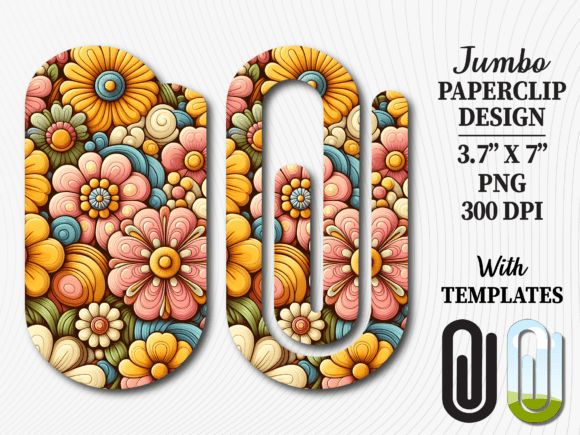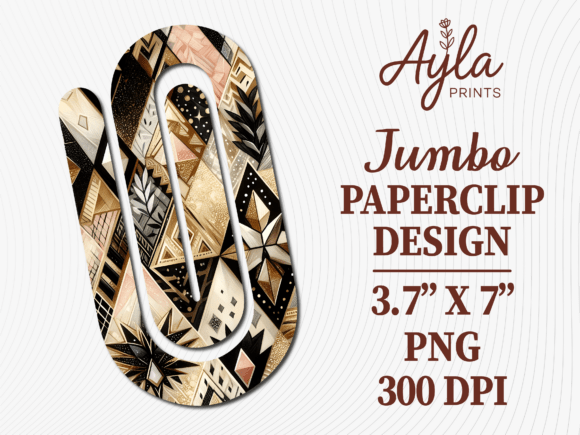
Abstract Leopard Print Jumbo Paperclip
When I sit down to review a new digital asset for my embroidery workflow, I am rarely looking at just a pretty picture. I am looking at stitchability, market viability, and how that design will translate from a flat PNG on a screen into a tactile, high-value handmade product. Today, I am evaluating the Abstract Leopard Print Jumbo Paperclip, a design that sits at the intersection of quirky graphic art and trendy fashion motifs. As an experienced designer, I need to know if this piece has the legs to stand out in a crowded Etsy marketplace or if it is merely decorative noise. After testing its potential across various mediums—from sweatshirt embroidery to boutique branding—I have formed a clear opinion on where this machine embroidery design fits best.
First Impressions: Mood and Visual Personality
The moment you load the file, the abstract nature of the leopard print immediately grabs attention. Unlike traditional animal prints that can feel dated or overly rustic, this version feels modern, edgy, and distinctly urban. The juxtaposition of a wild, organic pattern with the rigid, industrial shape of a jumbo paperclip creates a visual tension that is highly appealing to today’s consumer. It suggests a brand that is playful yet professional, chaotic yet structured.
From a design perspective, the layout is bold. The "jumbo" scale of the clip means it commands space, making it ideal for statement pieces rather than subtle accents. The abstract rendering allows for creative interpretation during the digitizing process, offering room to play with thread textures without losing the core identity of the image. This is not a design for the faint of heart; it is for makers who want their finished product to spark conversation. Whether used as an embroidered patch or centered on a garment, the visual personality is confident and unapologetic.
Real-World Application: Where Does It Shine?
In my experience, the success of any embroidery project depends heavily on the substrate. When I tested the concept of the Abstract Leopard Print Jumbo Paperclip, several applications stood out as particularly strong candidates for commercial use.
- Tote Bag Design: Canvas tote bags are a staple for craft fairs and small businesses. Placing this large-scale design on the front panel of a heavy-duty canvas bag creates an instant streetwear vibe. The durability of canvas pairs well with the boldness of the print, ensuring the stitch density holds up over time.
- Sweatshirt Embroidery: Fleece and cotton blends provide a soft background that contrasts beautifully with crisp satin stitches. I envision this design centered on the chest of a cropped hoodie or positioned off-center on the back of a crewneck. It appeals directly to the Gen Z and millennial demographic that loves mixed-media aesthetics.
- Boutique Branding: For business owners creating branded merchandise, this design offers a unique logo alternative. Imagine it stitched onto the cuff of a sweatshirt or the pocket of an apron. It elevates simple blanks into premium items, increasing perceived value.
- Holiday Embroidery and Gifts: While not traditionally festive, the abstract nature allows it to work in unexpected colorways. Using metallic threads or contrasting neutrals can turn this into a sophisticated gift item for coworkers or friends who appreciate modern art.
Furthermore, as a digital embroidery file, it serves well as a base for mockups. If you sell digital assets or printable designs, this image provides a strong visual anchor for your listings. It helps potential buyers visualize the final result, which is crucial for reducing return rates and building customer trust.
Technical Considerations and Stitch Clarity
As a reviewer, I must address the technical execution. The description notes that you receive three PNGs, which is excellent for flexibility, but the translation to embroidery requires careful planning. Because the design features an abstract pattern within a defined shape, maintaining clarity is paramount.
When digitizing or selecting a pre-made file, pay close attention to the stitch density. A large area covered in fill stitch needs adequate underlay to prevent fabric distortion, especially on lighter fabrics. If the density is too low, the abstract details may blur together, losing the sharp definition of the paperclip shape. Conversely, if the density is too high, the fabric may pucker, ruining the drape of the garment.
I recommend using a mix of satin stitch for the outline of the paperclip to give it a clean, polished edge, while using varied fill stitch directions to simulate the texture of the leopard print. This technique adds depth and makes the design pop. However, be cautious with tiny details. If the abstract elements are too fine, they may get lost in the stitching process, resulting in a muddy appearance. Always inspect small details before committing to a full production run.
Fabric and Stabilizer Choices
The choice of fabric significantly impacts the final look. Fabric texture plays a huge role here. On smooth jersey or polyester blends, the design will appear crisp and vibrant. On textured fabrics like boucle or heavy tweed, the intricate details might get obscured. In such cases, a heavier stabilizer is essential to support the stitches and prevent sinking into the fabric pile.
For stretchy fabrics like t-shirt material, a cut-away stabilizer is non-negotiable. It ensures that the hoop size constraints do not cause warping after washing. If you are working with dark fabric, consider using a white or light-colored underlay to make the colors of the leopard print stand out, unless you are intentionally going for a muted, vintage look.
Pitfalls to Avoid: Where Not to Use It
No design is perfect for every situation. There are specific scenarios where the Abstract Leopard Print Jumbo Paperclip might struggle, and knowing these limits is what separates a pro from a novice.
- Small Hoop Sizes: Due to its approximate 3.7x7 inch footprint, this design requires a decent amount of hoop real estate. Trying to force it into a small 4x4 hoop will likely result in cropping or excessive resizing, which can distort the aspect ratio and ruin the composition.
- Curved Surfaces: While possible, embroidering this on curved surfaces like baseball caps can be challenging. The flat, geometric nature of the paperclip might clash with the curvature of the hat, leading to uneven tension. It is better suited for flat panels like tote bags or jackets.
- Dense Stitch Areas on Thin Fabric: Avoid using this on thin silks or delicate linens. The weight of the thread and the density required for the fill stitch could tear or perforate the fabric. Stick to medium-to-heavy weight materials.
- Products Needing Frequent Washing: If you are creating items like baby clothes or kitchen towels that will undergo frequent high-heat washing, ensure your thread quality is top-tier. Lower-quality threads may fade or fray, diminishing the impact of the abstract design.
Final Verdict: Is It Worth Adding to Your Library?
The Abstract Leopard Print Jumbo Paperclip is a versatile, high-impact design that brings a modern edge to traditional embroidery projects. It is particularly well-suited for Etsy sellers and small shop products looking to differentiate themselves with unique, artistic flair. Its strength lies in its ability to serve as both a standalone statement piece and a branding element.
However, success depends on execution. Test the design on scrap fabric first. Check thread color contrast against your chosen fabric texture. Review the stitch density to ensure clarity. And most importantly, confirm licensing terms before selling finished items or distributing design assets. If you approach this project with the right technical preparation, this design has the potential to become a bestseller in your craft business.
For those in the Graphics and Crafts industries seeking to expand their portfolio with something beyond standard floral or text-based designs, this abstract animal print hybrid offers a refreshing alternative. It is bold, it is current, and when stitched correctly, it is undeniably eye-catching. Just remember: the magic happens in the details, so take the time to perfect your setup, and let the design speak for itself.