Carrot Vegetable Garden Jumbo Paperclip Graphics and Crafts Review
As someone who spends more time tweaking SVG layers in Silhouette Studio than sleeping, I have a strict rule for any new digital asset: if it doesn’t save me time or boost my conversion rate, it doesn’t make the cut. When I first downloaded Carrot Vegetable Garden Jumbo Paperclip, I wasn’t looking for just another clipart image to slap on a tote bag. I was preparing for a busy spring season, specifically targeting the "garden-to-table" crowd and those obsessed with kitchen organization. The product description promises an instant digital download with a fun, eye-catching touch, but does it hold up under the pressure of real-world manufacturing? After running several test prints and cutting sessions, here is my honest breakdown of how this graphic design asset performs in a professional handmade business workflow.
First Impressions and Visual Personality
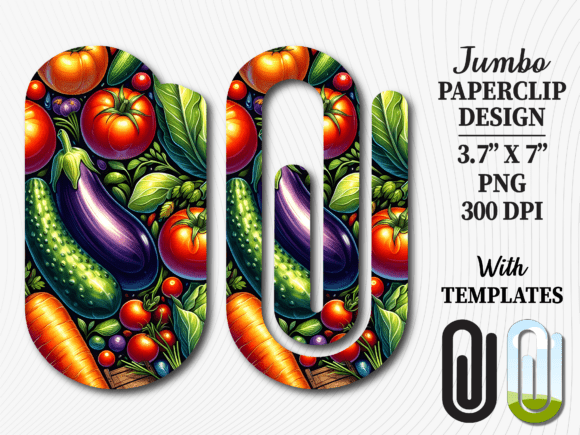
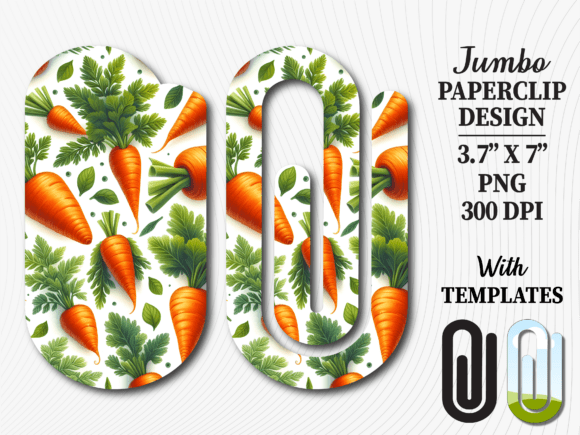
The moment you open the file, the aesthetic is immediately clear. This isn’t delicate, high-fantasy botanical art; it is playful, bold, and undeniably cozy. The illustration style leans heavily into the "cottagecore" and rustic farmhouse trends that are dominating Etsy and craft fairs right now. The carrot imagery feels fresh and vibrant, suggesting a mood that is cheerful without being childish. It strikes a balance between cute and premium, which is a sweet spot for attracting adult buyers who want their planners, mugs, or shirts to look curated rather than mass-produced.
For a small business owner, this visual personality is gold. It appeals directly to home bakers, gardeners, and anyone who loves organizing their pantry with style. The design suggests a handmade brand that values warmth and approachability. If your shop has a feminine, decorative, or festive vibe, this asset fits seamlessly. However, if your brand is strictly minimal, modern, or industrial, this might feel too whimsical for your specific customer base.
Real-World Crafting Applications
Let’s talk about where this sublimation design actually shines. I tested this asset across three major categories of handmade products, and the results were promising for specific use cases.
- Mug and Tumbler Wraps: This is the strongest use case. The vertical orientation of the jumbo paperclip concept works beautifully on standard 20oz tumblers. When sublimated, the colors pop against stainless steel, creating a product mockup that looks ready for Amazon Handmade or Etsy listings. It pairs exceptionally well with phrases like "Grow Your Own" or "Kitchen Gardener."
- Sticker Design and Planner Accessories: Because the file includes clean lines, it translates well into die-cut stickers. I used it for planner pages dedicated to meal planning and garden journaling. The detail level is sufficient for medium-sized stickers (around 3 inches), but as we will discuss, it struggles at very small sizes.
- Tote Bags and Gift Tags: For large format vinyl cuts, the asset provides enough negative space to be readable from a distance. It works wonderfully on canvas totes for farmers' markets. Additionally, I found it effective on printable gift tags attached to jars of homemade preserves, adding a personal touch that increases perceived value.
Where to Exercise Caution
No graphic design asset is perfect, and understanding its limitations is what separates a hobbyist from a pro. There are specific scenarios where Carrot Vegetable Garden Jumbo Paperclip requires careful handling.
First, avoid using this for very small cutting details. If you attempt to scale this down to a 1-inch sticker or a tiny embellishment on a hair bow, the fine lines may become muddy or break during the weeding process, especially if you are using lower-quality vinyl. Second, be mindful of crowded compositions. If you layer this over a busy background pattern or add excessive text, the focal point gets lost. It needs breathing room to let the "jumbo" aspect of the design breathe.
Another critical check is color contrast. On dark-colored products like black mugs or navy blue t-shirts, the lighter tones in the carrot illustration may not show up clearly unless you use a white heat-transfer vinyl underbase or ensure your sublimation ink density is set correctly. Always test on your actual blank product before committing to a batch for customer orders.
Technical Workflow and Commercial Use
Before you upload this to your store or start cutting, there are essential technical steps every crafter must take. First, verify the file format. If you received an SVG design, open it in your software to check if the lines are clean and the nodes are optimized. A messy SVG can lead to jagged edges when cut by your Cricut or Silhouette machine. If you are using it for sublimation, confirm the resolution of the PNG design. It should be at least 300 DPI to ensure crisp printing on fabric or ceramic.
I also recommend placing the asset on real product mockups before finalizing your listing. Resizing it helps you visualize how it interacts with other elements. You might find that pairing it with a script font adds elegance, while a bold sans serif font makes it feel more modern. Experiment with different font styles to see what best complements the playful nature of the carrot illustration.
Finally, and most importantly, confirm your commercial licensing. Even though this is a digital product, the license terms dictate whether you can sell physical items made from it. Ensure you have a valid commercial license for your handmade business products. Whether you are selling at a local craft fair, listing on a creative marketplace, or using print-on-demand services, clarity on usage rights protects your small business branding from legal issues.
Final Verdict for Sellers
Overall, Carrot Vegetable Garden Jumbo Paperclip is a versatile addition to any design bundle aimed at the seasonal crafts market. It captures the current trend of garden-inspired decor with a unique twist. For Etsy sellers and DIY creators, it offers a quick way to create cohesive collections for spring and summer. Just remember to test your files, respect the limits of small-scale detailing, and always prioritize quality control. When used correctly, this asset can help you produce high-quality, desirable handmade products that customers will love.