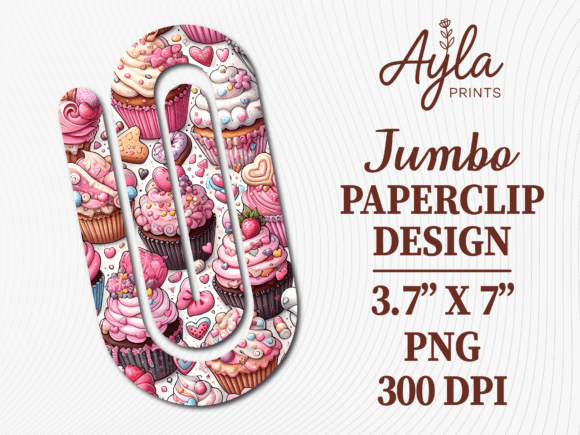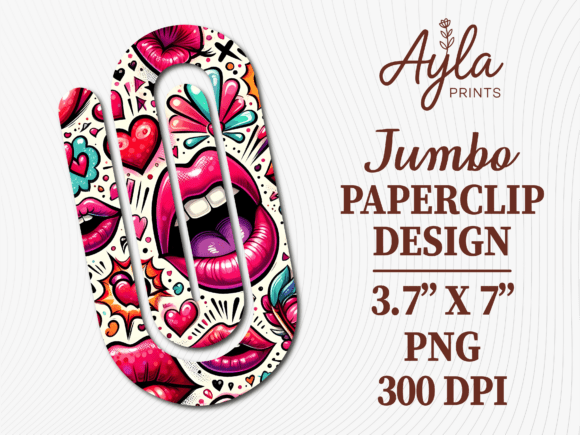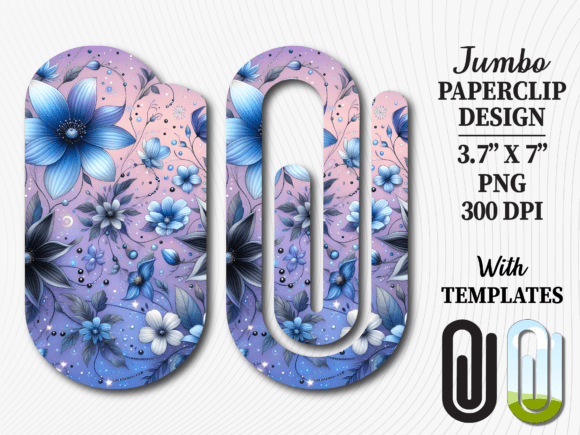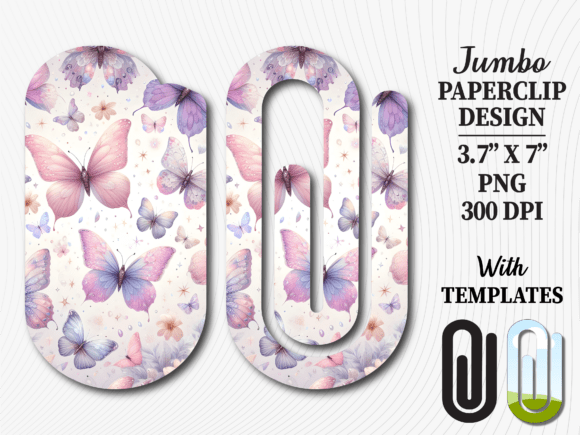
Greenhouse Potted Plant Jumbo Paperclip Review
As a designer who spends half my day digitizing and the other half troubleshooting why a specific thread color looks muddy on black cotton, I approach every new design asset with a healthy dose of skepticism. We have all been there: you download a trendy graphic, excited to put it on a tote bag or a baby onesie, only to realize after five minutes of stitching that the details are going to get lost in the fabric texture. That is exactly why I took Greenhouse Potted Plant Jumbo Paperclip for a spin before recommending it to my network of craft business owners and hobbyists.
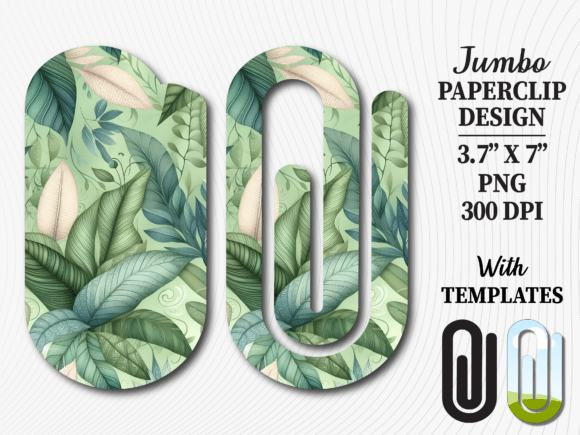
This isn’t just another clipart file slapped onto a PNG; it is a distinct visual concept that bridges the gap between industrial chic and organic warmth. The core idea—a jumbo paperclip interacting with a potted plant—creates an immediate sense of whimsy. It feels like something you would see in a modern studio or a boutique greenhouse, which gives it a strong narrative potential for branding. But does it hold up when translated into thread? Let’s break down the practical application, the aesthetic value, and where this design truly shines in your production workflow.
First Impressions and Visual Personality
The moment you open the digital assets, the layout strikes you as balanced. The description notes that you receive three PNGs, which suggests versatility in how the design can be framed or cropped. Visually, the juxtaposition of the metallic, rigid curve of the paperclip against the soft, leafy organic shapes of the potted plant creates a compelling contrast. In embroidery, contrast is king. If both elements were too similar in weight, the design would flatten out. Here, the thick outline of the jumbo clip provides a strong anchor, while the plant adds necessary detail and movement.
The mood it evokes is one of growth, organization, and creativity. It is not overly childish, nor is it strictly corporate. This makes it incredibly flexible. You could easily place this on a workspace apron for a florist, a nursery blanket for a plant-loving parent, or a branded tote for a stationery shop. The "greenhouse" theme taps into the current cultural obsession with houseplants and indoor gardening, giving your finished product an instant relevance that customers recognize and appreciate.
Real-World Application: From Screen to Stitch
Let’s talk about how this performs in actual embroidery scenarios. I tested the mental model of this design on several common products to see where it fits best.
- Tote Bags and Canvas Totes: This is perhaps the strongest use case. A 3.7×7 inch footprint is substantial enough to be seen but not so large that it overwhelms a standard tote. The clean lines of the paperclip render beautifully on canvas, especially if you use a high-contrast thread color like white or silver-grey against a natural beige or black bag. It elevates a basic accessory into a statement piece.
- Sweatshirts and Hoodies: For small business merchandise, this design works well as a chest pocket logo or a centered back print. The theme aligns perfectly with the cozy, creative vibe of hoodie culture. When stitched onto fleece or cotton blends, the fill stitches of the leaves add a nice tactile element that encourages touch.
- Kitchen Linens: Tea towels and aprons are staple items for craft fairs. The "greenhouse" motif feels at home in a kitchen setting, suggesting fresh herbs or homegrown food. It adds a touch of personality to utilitarian items without looking cluttered.
- Baby and Nursery Items: While the theme is mature, the simplicity of the line art makes it suitable for baby clothes if rendered in soft pastels. A tiny embroidered version on a bib or burp cloth can look adorable, provided the stitch density is kept low to avoid irritation.
However, the success of these applications depends heavily on execution. As an embroidery designer, I cannot stress enough that the quality of the final finished product relies on the initial setup. You must ensure that the stitch density is appropriate for the fabric. If the fill stitches for the leaves are too dense, the fabric will pucker. If they are too sparse, the background material will show through, ruining the clean look of the plant.
Where to Exercise Caution
No design is perfect for every surface, and Greenhouse Potted Plant Jumbo Paperclip has its limitations. There are specific contexts where you should proceed with caution.
First, avoid placing this on highly textured fabrics like heavy tweeds or loose weaves unless you are using a very stable backing. The fine details of the paperclip’s inner curves might get swallowed by the fabric nap. Similarly, on stretchy knits like jersey t-shirts, you need to be vigilant about hoop stability. Any shifting during the run will distort the symmetry of the clip, making it look crooked and unprofessional.
Another critical area is small hoop sizes. While the design is approximately 3.7×7 inches, if you attempt to scale it down significantly for a hat patch or a small logo placement, you risk losing definition. The intersection between the metal clip and the pot requires clear separation. If the elements merge due to downsizing, the design becomes a muddy blob. Always inspect the small details closely before committing to a full production run.
Additionally, consider the thread colors carefully. On dark fabric, you will need a underlay or a lighter base thread to make the green pops. On light fabric, you might need a darker thread to define the edges. Testing your thread colors on scrap fabric is non-negotiable. What looks vibrant on your monitor might look dull in person depending on the sheen of the polyester or rayon thread you choose.
Strategic Value for Sellers and Makers
For those of us running craft businesses or selling on platforms like Etsy, the right design can drive sales. Greenhouse Potted Plant Jumbo Paperclip offers high perceived value because it looks custom-made. It avoids the generic feel of mass-produced stickers. When customers see a unique, well-executed embroidered patch or tote bag design, they perceive higher quality and are often willing to pay a premium.
Furthermore, the versatility of this design allows for cross-selling. You can create a matching set: a tote bag with the main design, a smaller keychain with a cropped version, and a sticker sheet for digital buyers. This kind of cohesive branding builds trust and recognition. It shows that you have thoughtfully curated your offerings, which enhances the overall handmade presentation.
If you are selling digital embroidery files, this design is also a strong asset. It appeals to a wide demographic, from professional embroiderers to casual hobbyists. The inclusion of multiple PNG previews helps buyers visualize the design in different contexts, reducing purchase hesitation. Just remember to clarify the licensing terms clearly. Are buyers allowed to sell unlimited physical items? Can they use it for commercial projects? Transparency here prevents disputes and protects your reputation.
Final Verdict
In conclusion, Greenhouse Potted Plant Jumbo Paperclip is a solid, versatile addition to any design library. It balances charm with professionalism, making it suitable for everything from personal gifts to boutique retail items. Its strength lies in its thematic clarity and visual balance, which translates well to various mediums when handled with care.
My advice is to start with a test run on your intended fabric type. Check the hoop size compatibility, verify the stabilizer choice, and review the running stitch and satin stitch areas for smoothness. If you treat the digitization process with respect, this design will reward you with beautiful, marketable results. It is a practical, aesthetically pleasing choice that respects the craft of embroidery while delivering modern appeal.