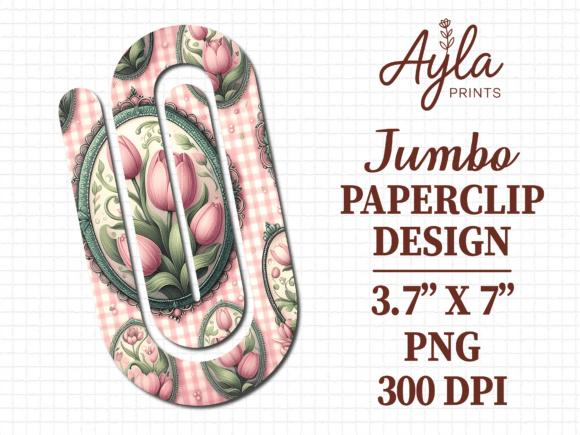
Tulip Flower Spring Jumbo Paperclip Graphics and Crafts Review
As a brand designer who has spent years refining visual identities for small businesses and content creators, I am constantly on the hunt for design assets that offer more than just aesthetic appeal. They need to communicate, they need to convert, and they need to feel authentic. Recently, I encountered Tulip Flower Spring Jumbo Paperclip, a graphic design asset that immediately caught my attention. It is not merely a decorative element; it is a strategic tool for modern marketing visuals.
This review stems from a real-world scenario: I was tasked with refreshing the social media presence and digital marketing materials for a boutique lifestyle brand launching a spring collection. The goal was to create a cohesive brand identity that felt fresh, approachable, and professionally polished without relying on expensive custom illustrations. This is where evaluating high-quality PNG design assets becomes critical. Below, I break down how this specific sublimation design fits into a professional workflow, its impact on audience perception, and practical tips for integrating it into your content marketing strategy.
First Impressions and Emotional Tone in Branding
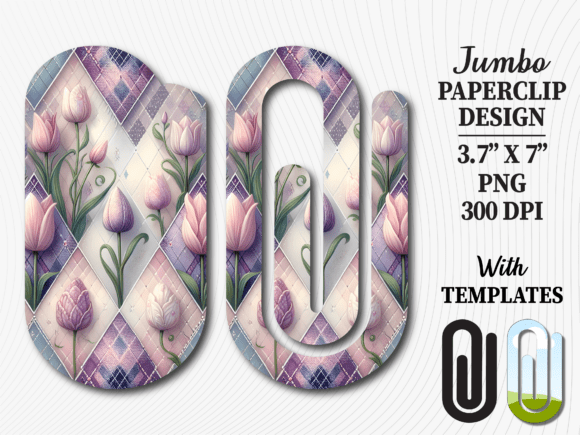
When you first look at Tulip Flower Spring Jumbo Paperclip, the mood is instantly established as cheerful, organic, and inviting. In the world of visual hierarchy, color and subject matter dictate the emotional tone before a single word is read. The tulip motif suggests renewal and growth, while the "jumbo paperclip" concept adds a touch of whimsy and utility. This combination creates a unique psychological anchor for the viewer.
For brand owners, this means the asset supports casual branding and handmade product aesthetics exceptionally well. It does not feel stiff or corporate. Instead, it feels like a personal touch, which is crucial for building audience trust in today’s market. Whether you are designing packaging inserts, creating Pinterest pins, or crafting Instagram posts, this illustration brings a sense of warmth that generic clipart often lacks. It bridges the gap between commercial design and artistic expression, making it suitable for editorial graphics, event promotions, and lifestyle content.
Strategic Applications Across Marketing Channels
The versatility of this graphic design asset allows it to serve multiple functions within a comprehensive content marketing plan. Here is how it performed when I tested it across various digital ads and brand identity touchpoints:
- Social Media Graphics: On platforms like Instagram and Facebook, visual stop-power is everything. Using this design as a hero graphic or campaign header immediately draws the eye. It works beautifully as a background accent for promotional banners, ensuring the text remains readable while adding depth to the layout.
- Packaging Design and Product Labels: For small business branding, physical touchpoints are vital. Integrating this asset onto product labels or thank-you cards creates a memorable unboxing experience. It elevates the perceived value of the item, suggesting that the creator cares about every detail of their creative design.
- Digital Products and Printables: If you are selling digital products, such as planners or journals, this illustration can be used to decorate covers or interior dividers. As a PNG design, it offers clean edges that scale well, making it ideal for printable designs that customers will download and use.
- Email Banners and Lead Magnets: To improve engagement in email marketing, headers need to be visually engaging but not cluttered. This asset provides a perfect balance, acting as a decorative brand element that guides the reader’s eye toward the call-to-action without competing with the main message.
Supporting Core Marketing Goals
Beyond aesthetics, a good design asset must support measurable goals. Tulip Flower Spring Jumbo Paperclip contributes to stronger recognition by providing a consistent visual motif that can be repeated across different campaigns. When used consistently, it helps build a recognizable style that audiences begin to associate with your brand. Furthermore, its clean lines and clear imagery support better product presentation, allowing the focus to remain on what you are selling while the design enhances the overall narrative.
Ideal Use Cases vs. Areas of Caution
Understanding where an asset shines is just as important as knowing where it might fail. Based on my testing, here is a breakdown of optimal and cautious usage scenarios.
Where It Works Best:
- Hero Graphics and Campaign Headers: The size and detail of the jumbo paperclip concept allow it to stand out as a focal point.
- Branded Templates: It integrates seamlessly into Canva templates, adding personality to pre-made layouts for social media managers.
- Packaging Accents: It serves as an excellent decorative element on stickers, tags, and insert cards.
- Content Bundles: When sold as part of a design bundle, it adds variety and thematic consistency to seasonal collections.
Where to Use Carefully:
- Formal Corporate Branding: If your brand identity is strictly minimalist or serious, this playful asset may undermine the professional appearance you are trying to project.
- Dense Information Layouts: Avoid placing this illustration over complex data or dense text blocks. It can create visual noise that distracts from the core information.
- Small Mobile Graphics: While scalable, intricate details may get lost if the asset is reduced too much for mobile-first designs. Always preview at actual size.
- Low-Contrast Backgrounds: Ensure there is sufficient contrast between the asset and the background to maintain visibility and readability.
Practical Brand Designer Notes for Implementation
To get the most out of Tulip Flower Spring Jumbo Paperclip, I recommend following these practical steps during your design process. These notes ensure that your creative design aligns with professional branding standards.
First, test it with your brand color palette. Even though the asset has its own colors, you should experiment with tinting or monochromatic versions to see how it harmonizes with your existing primary and secondary colors. This ensures visual consistency across all channels.
Second, check black and white usage. Convert the asset to grayscale to verify that the shapes and forms hold up without color reliance. A strong graphic design asset should have structural integrity even in low-fidelity environments.
Third, place it inside real campaign mockups. Do not judge the asset in isolation. View it within the context of a website header, an email banner, or a product label. This helps you assess spacing, balance, and proportion relative to other elements.
Fourth, preview it on mobile screens. Since a significant portion of traffic comes from mobile devices, ensure the asset remains legible and impactful on smaller viewports. Test readability in small sizes to avoid pixelation or loss of detail.
Fifth, compare it against competitor visuals. Look at similar brands in your niche. Does this asset help you stand out, or does it blend in? Differentiation is key to capturing attention in a crowded marketplace.
Sixth, consider typography pairings. Experiment with serif fonts for a classic, elegant look, sans serif fonts for a modern, clean aesthetic, script or handwritten fonts for a personal touch, and display fonts for bold headlines. The right font pairing can elevate the asset from simple clipart to a sophisticated brand identity component.
Finally, confirm commercial licensing before using it in paid campaigns, client work, or business branding. Understanding the terms of use protects your business and ensures ethical use of creative design resources.
Conclusion for Content Creators and Marketers
In the realm of content marketing, every visual element must earn its place. Tulip Flower Spring Jumbo Paperclip is more than just a fun illustration; it is a versatile tool that can enhance your brand identity, improve audience engagement, and add a layer of professional polish to your marketing visuals. By understanding its strengths and limitations, you can integrate it effectively into your workflow, whether you are designing packaging, creating social media graphics, or developing a new digital product.
For small business owners, online coaches, and creative entrepreneurs, leveraging high-quality design assets like this one can save time while elevating the perceived quality of your brand. It allows you to compete with larger companies by maintaining a consistent, attractive, and emotionally resonant visual language. When used strategically, this asset becomes an integral part of your creative toolkit, helping you tell your story in a way that is both beautiful and effective.